



101148165 — MEDMAS — CERV-2023-CITIZENS-CIV
Medmas
21 de October de 2024
The Media Masters initiative aims to increase media literacy and civic engagement in nine EU countries, targeting diverse groups such as primary and secondary school children, university students, educators and journalists.
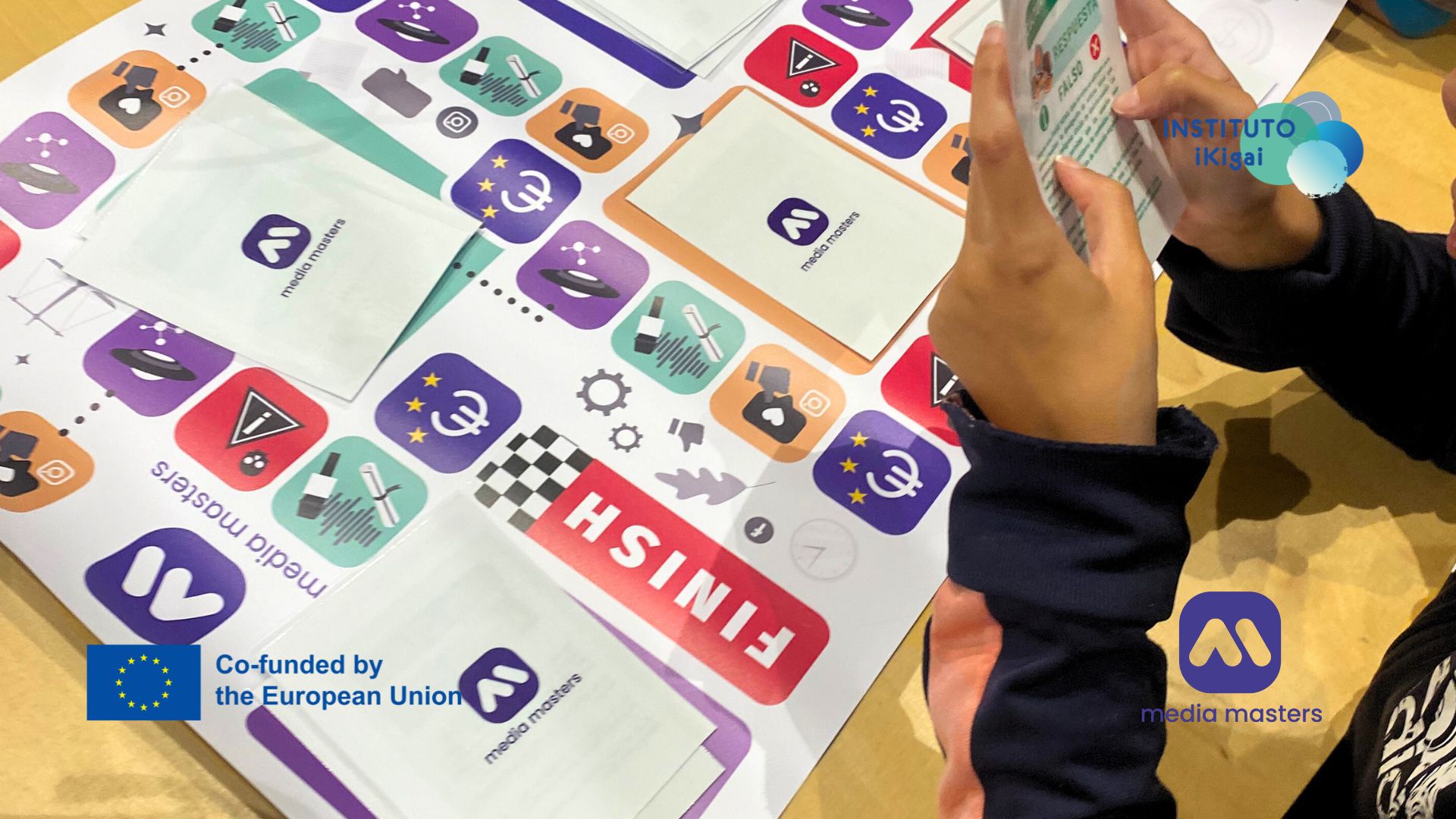
The project has a hands-on approach, with a multilingual board game and mobile app mimicking real media and news scenarios, simulating fake and misleading news and social media content, and helping users develop critical thinking skills and recognise misinformation.
Both the board game and the app are designed to be cost-effective and ensure continued use after the project ends. The initiative, divided into five work packages, includes 42 events and a final meeting in Brussels. More than 3,000 people will attend these events, which will serve as venues for learning, debates and conversations on media literacy and fake news, as well as an opportunity to createpublic-private partnerships.
The project focuses on engaging young people, a generation that is often considered difficult to involve in civic dialogues. We hope to encourage this group to become proactive citizens by establishing a culture of open discourse and debate through our events and digital platforms. Through these projects, we want to bridge the gap between young people and civic participation and, at the same time, provide meaningful data for continuous research and feedback, the results of which will be published globally.
Fourteen partners from nine European countries collaborate in this inclusive project, committed to gender equality and non-discrimination. Thanks to its extensive experience in implementing large-scale projects, the consortium has developed strong decision-making and communication procedures.
In short, the project aims to improve media literacy and civic participation. Its pragmatic, adaptable and inclusive approach lays a solid foundation for future projects in this field.
Download activity reports here:

Funded by the European Union. Views and opinions expressed are however those of the author(s) only and do not necessarily reflect those of the European Union or the European Education and Culture Executive Agency (EACEA). Neither the European Union nor EACEA can be held responsible for them.
