



The current state of the youth labor market in Spain reflects significant structural challenges.
The youth unemployment rate stands at 27.7%; 31% of young people are at risk of poverty or social exclusion; and 42% believe that their education does not meet the demands of the labor market.
Added to these figures is a persistent reality: gender inequality further exacerbates this situation, as young women continue to face higher unemployment rates, lower representation in key sectors, and greater barriers to accessing leadership positions.
These indicators highlight the structural problems of the Spanish labor market, which are closely linked to the younger generation. But an important question arises: why is this happening? What has changed over the years?
One of the most decisive factors is increased competition. We live in a society where it is becoming increasingly difficult to stand out, because the average level of education has risen considerably.
A space for reflection and action
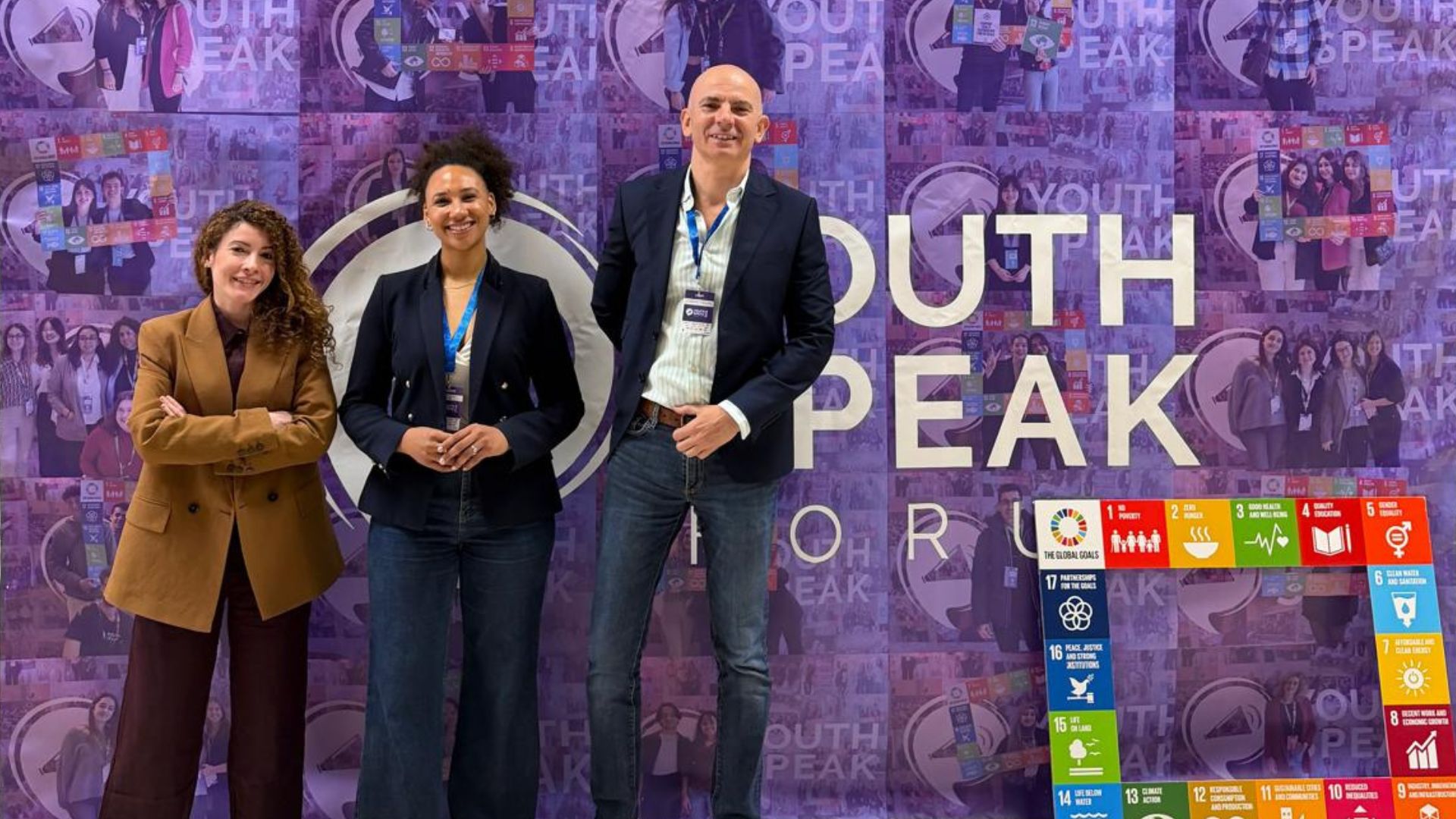
In this context, the Youth Speak Forum 2026, held in Madrid on April 10, provided a key opportunity to bring together young people from across Spain to reflect on today’s most pressing issues and co-create tangible solutions that can help build a more inclusive future.
The event sought to connect the voices of young people with the challenges and opportunities of the real world.
The event was organized by AIESEC, the world’s largest youth organization, whose commitment to youth leadership stands out as a driving force for change.
Furthermore, the forum was designed in alignment with the United Nations Sustainable Development Goals for 2030, particularly Goal 5, Gender Equality; Goal 8, Decent Work and Economic Growth; and Goal 17, Partnerships for the Goals.
Through the Youth Speak Forum, young people are not only encouraged to reflect on these realities but are also empowered to become active agents of change.
Careers Hack 2026: Three Steps to Boost Talent
As part of the event, the Ikigai Institute led a dynamic workshop based on the Careers Hack 2026 framework, structured around three essential steps.
Know Your Strengths
The journey began with self-awareness. Through interactive activities, participants explored what they are naturally good at, highlighting skills such as communication, empathy, creativity, and the ability to build trust.
This step highlighted that soft skills are not secondary, but rather fundamental assets in today’s professional world.
Identify your barriers
Participants reflected on what holds them back. The most common obstacle was the fear of failure. Added to this were uncertainty about how to turn passions into income and the perception of a lack of opportunities.
Recognizing these barriers was presented as the first step toward overcoming them.
Take action and prove your worth
The final phase focused on action. Through exercises on habits, personal branding, and resume building, participants were encouraged to rethink how they present themselves and how they use their time.
The main conclusion was clear: “You don’t need more experience; you need to prove your worth.”
Beyond inspiration
Events like this demonstrate that the challenge is not only to understand the problems young people face, but also to equip them with real tools to navigate and overcome them.
If the challenges are structural, the response cannot be superficial. Empowering young people means going beyond inspiration and creating concrete opportunities for them to experiment, make mistakes, and forge their own paths.
This is where the real impact begins, because the future is not something to be waited for, but something to be built together.

